🛶
Okavango Delta
Explore one of the world's great inland delta systems by mokoro, boat, walking safari and game drive.
Southern Africa Travel Guide
Discover Botswana's extraordinary wilderness, the Okavango Delta, Chobe River, Kalahari landscapes, wildlife, cultural heritage and unforgettable safari experiences.
Information status: This guide uses information from Botswana's official tourism and government sources together with recognized travel information. Visa requirements, health information, park rules and other time-sensitive requirements should always be verified before travelling.
Quick Facts
Essential information for travelers planning a journey through Botswana.
Gaborone
Southern Africa
Botswana Pula (BWP)
Setswana and English
Discover Botswana
Botswana is known for vast wilderness areas, remarkable wildlife, waterways and distinctive desert landscapes.
Explore one of the world's great inland delta systems by mokoro, boat, walking safari and game drive.
Experience elephants, lions, buffalo, giraffes, hippos, predators and exceptional birdlife.
Discover vast open spaces, salt pans, grasslands, wildlife and unique desert environments.
Plan Your Journey
Important topics to consider before and during your trip.
Check current visa requirements and entry formalities for your nationality.
Botswana can be visited throughout the year, with different experiences during wet and dry seasons.
Understand seasonal temperatures, rainfall, flooding and wildlife conditions.
Explore Botswana's national parks, reserves and wildlife management areas.
Discover the Okavango Delta, Chobe, Maun, Kasane, Gaborone and other destinations.
Plan game drives, walking safaris, boat excursions, mokoro trips and other wildlife experiences.
Choose between hotels, lodges, safari camps, guesthouses and camping options.
Understand domestic flights, road travel, transfers, car hire and safari transport.
Learn about public transport, taxis, buses and travel between towns.
Understand Botswana's currency, payments, accommodation and safari budgeting.
Check current health recommendations, safety information and emergency arrangements.
Learn about Botswana's communities, traditions, customs and respectful travel.
Consider family accommodation, activities, transfers and safari restrictions.
Plan mobile communication, internet access and connectivity during your trip.
Support conservation, local communities and responsible wildlife tourism.
Wildlife & Nature
Botswana protects extensive wilderness areas containing a wide variety of mammals, birds, reptiles and aquatic wildlife. The Okavango, Chobe and Kalahari ecosystems each provide distinctive wildlife experiences.
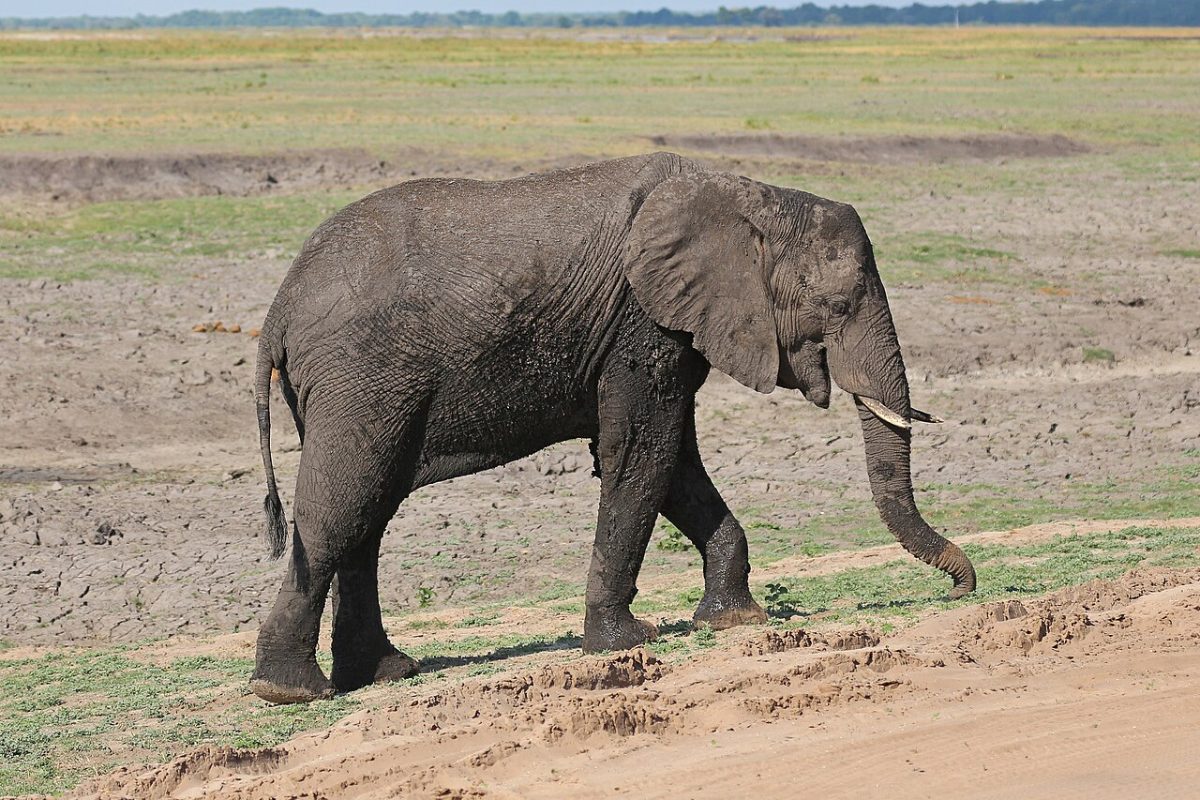
Elephants
Photo: Bernard Gagnon · CC BY-SA 4.0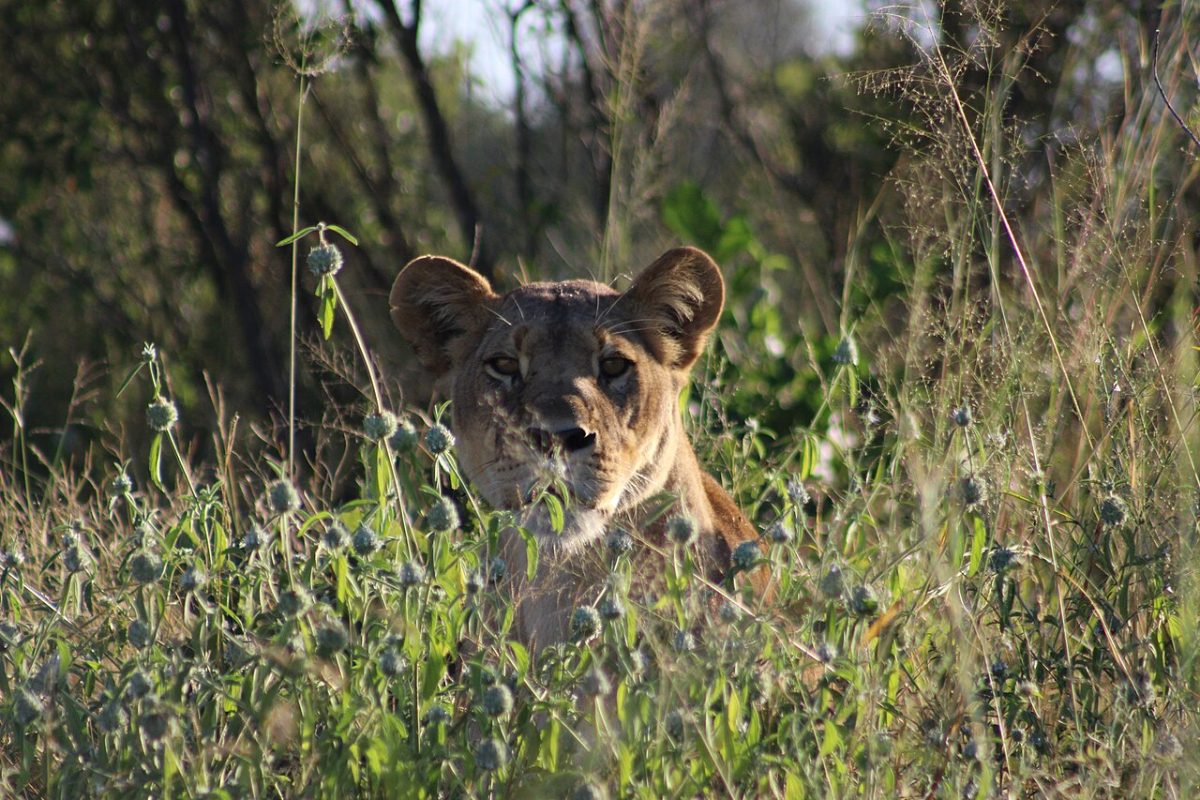
Lions
Photo: Richardk85 · CC0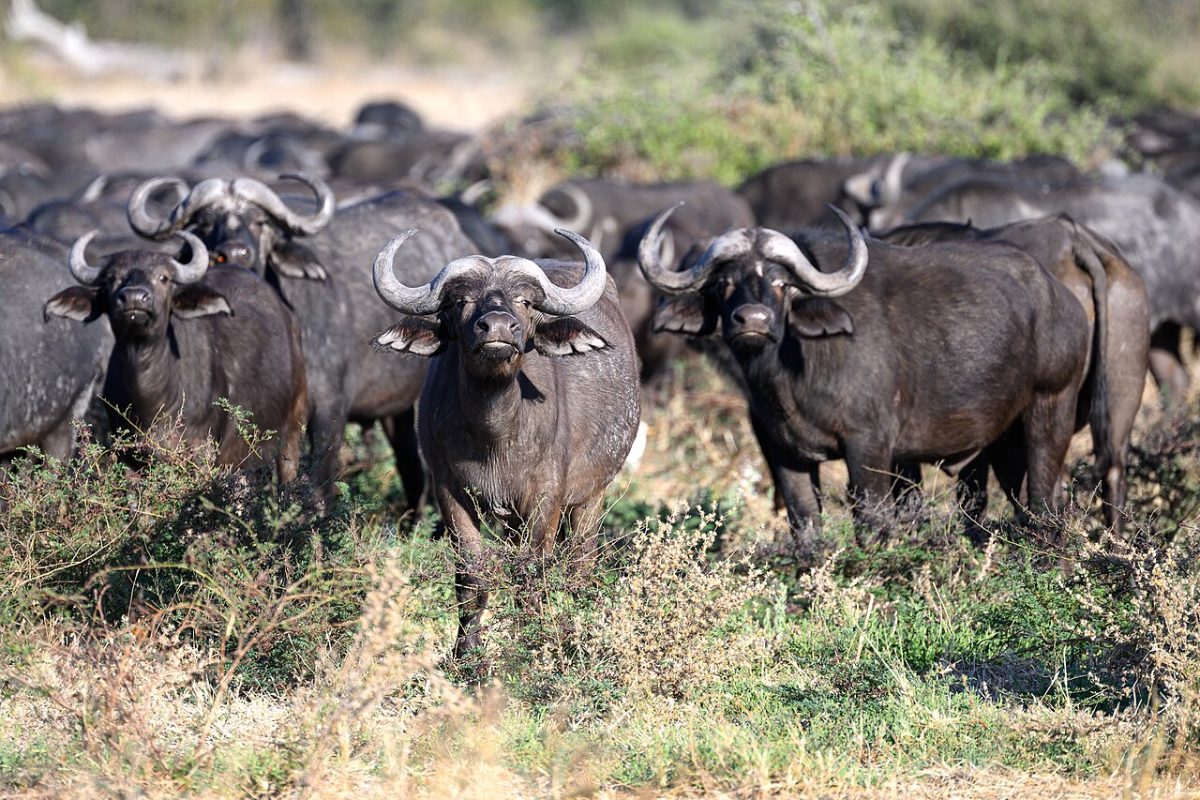
Buffalo
Photo: Eric Kilby · CC BY-SA 4.0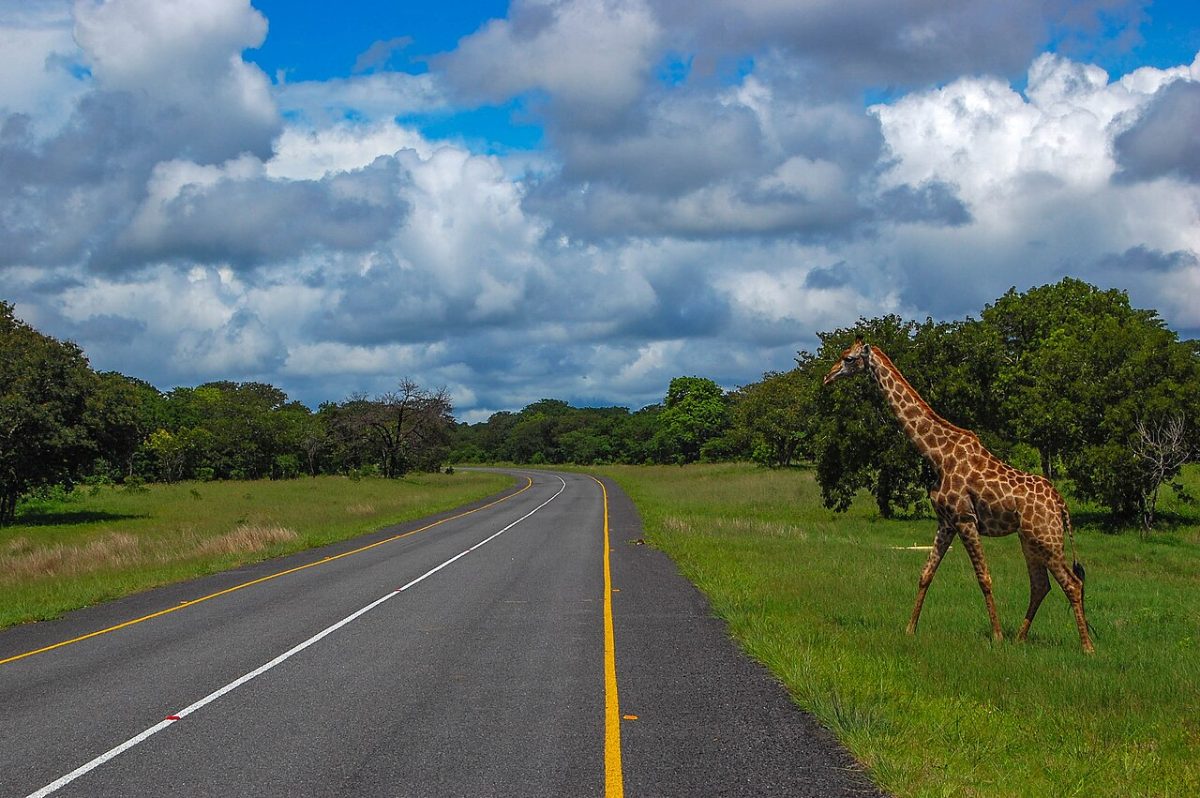
Giraffes
Photo: Jeremy T. Hetzel · CC BY 2.0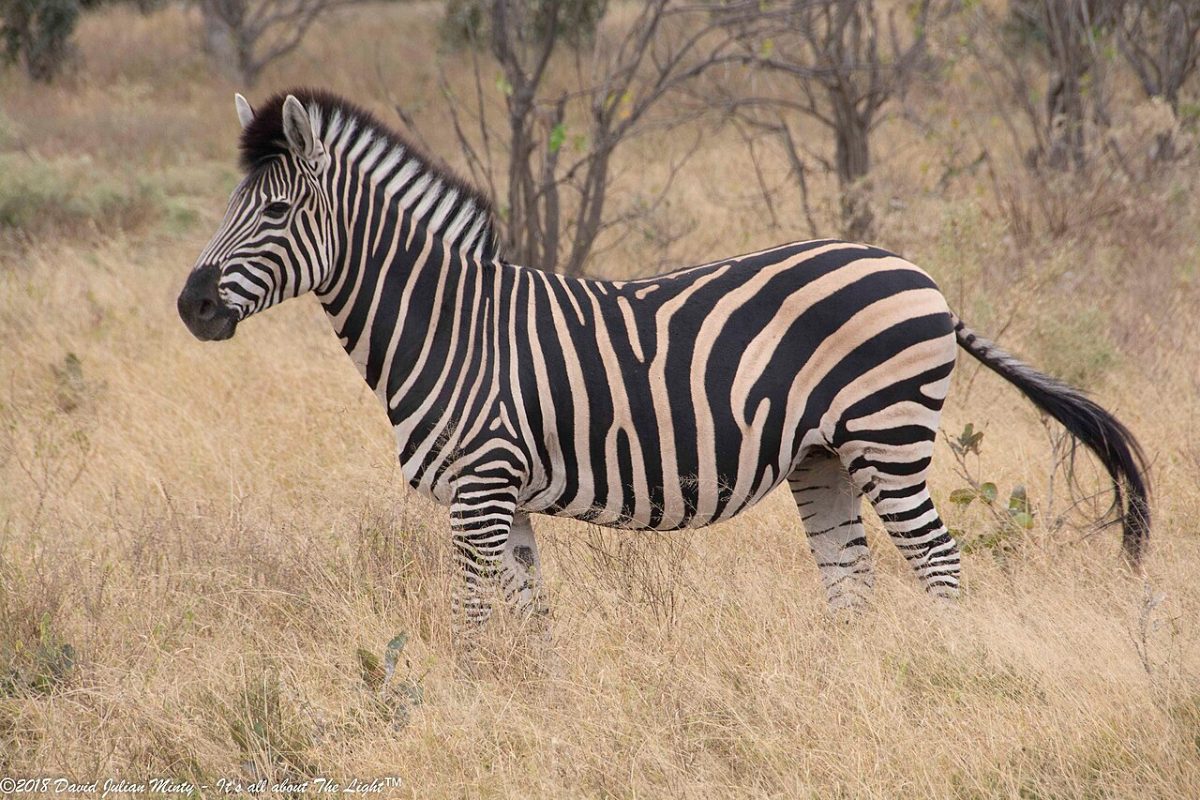
Zebras
Photo: David Minty · CC BY 2.0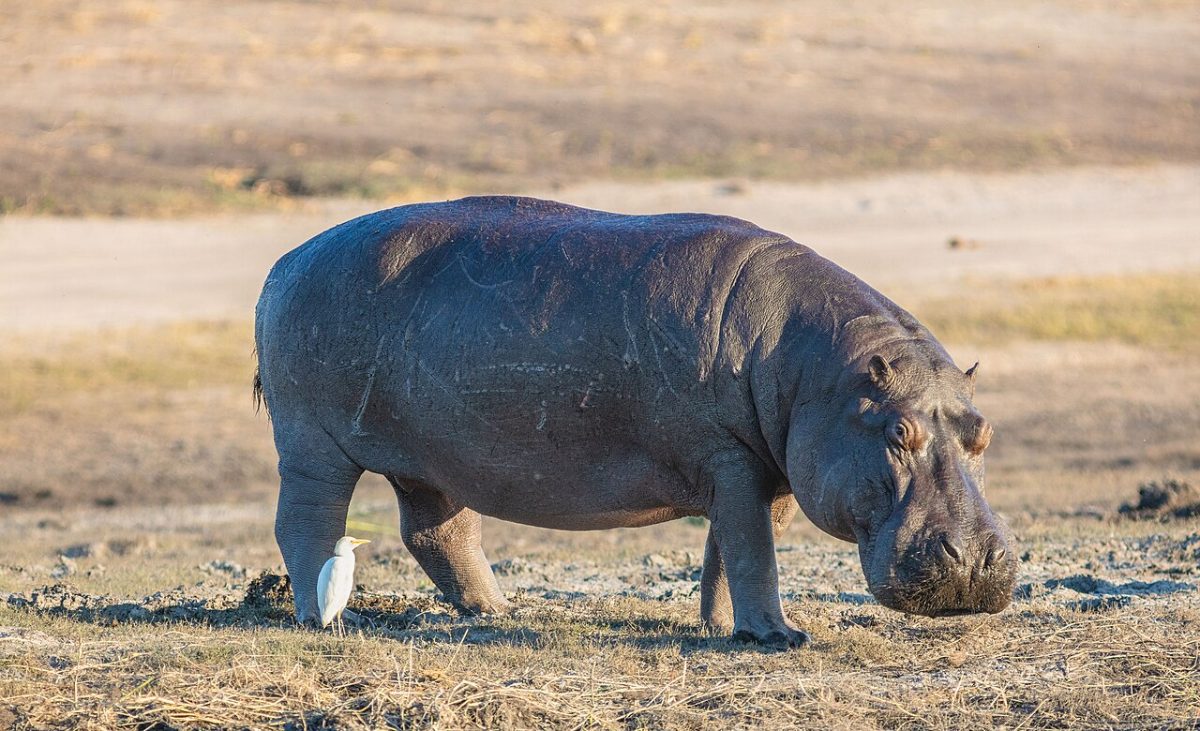
Hippos
Photo: Diego Delso · CC BY-SA 4.0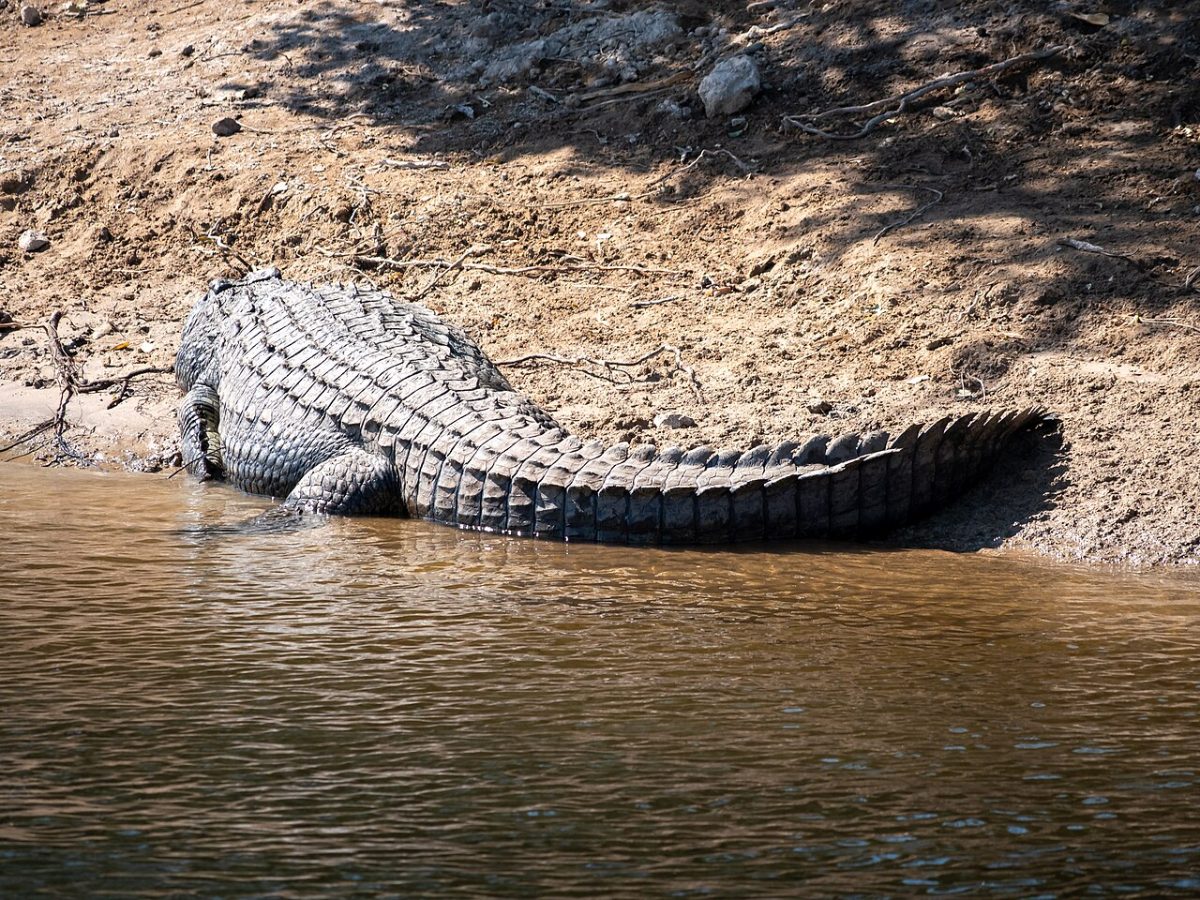
Crocodiles
Photo: Matti Blume · CC BY-SA 4.0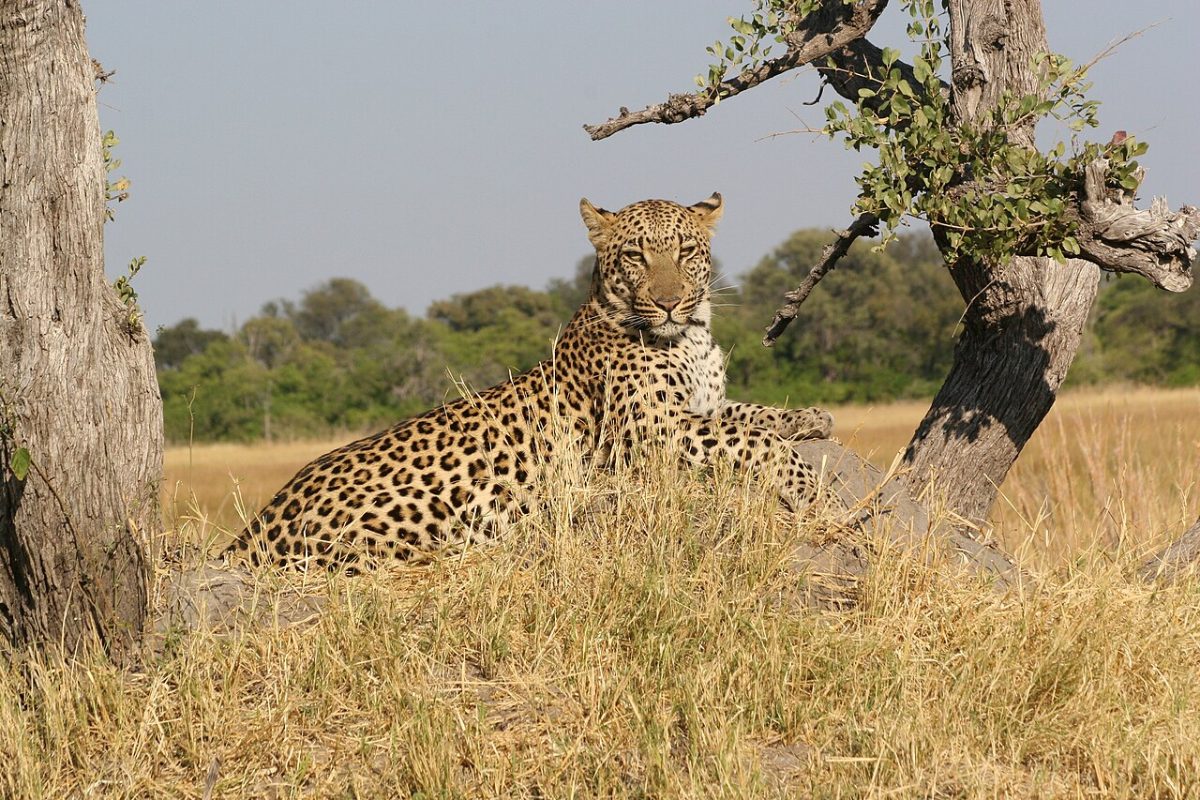
Leopards
Photo: Danh · CC BY-SA 3.0Where to Go
Botswana's best-known wildlife areas and heritage sites.
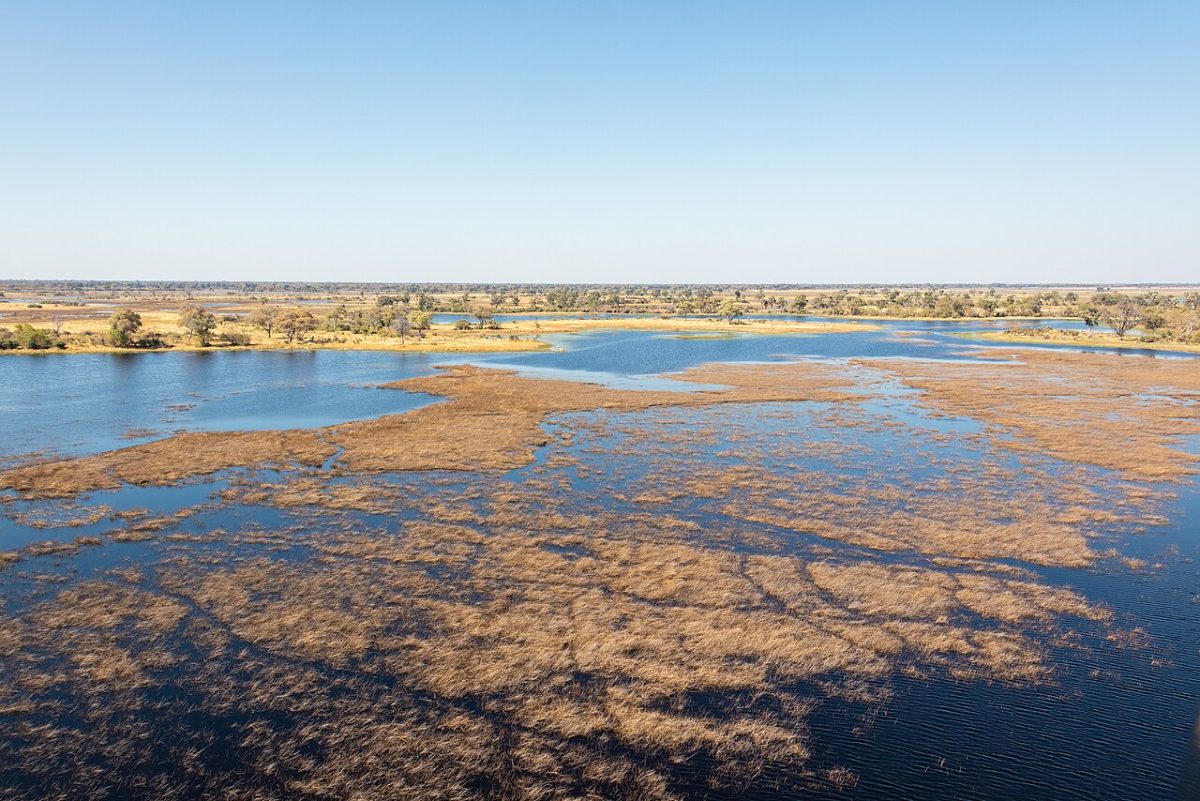
A UNESCO World Heritage Site of lagoons, floodplains and islands, explored by mokoro, boat, game drive and on foot.
Read more →Photo: Diego Delso · CC BY-SA 4.0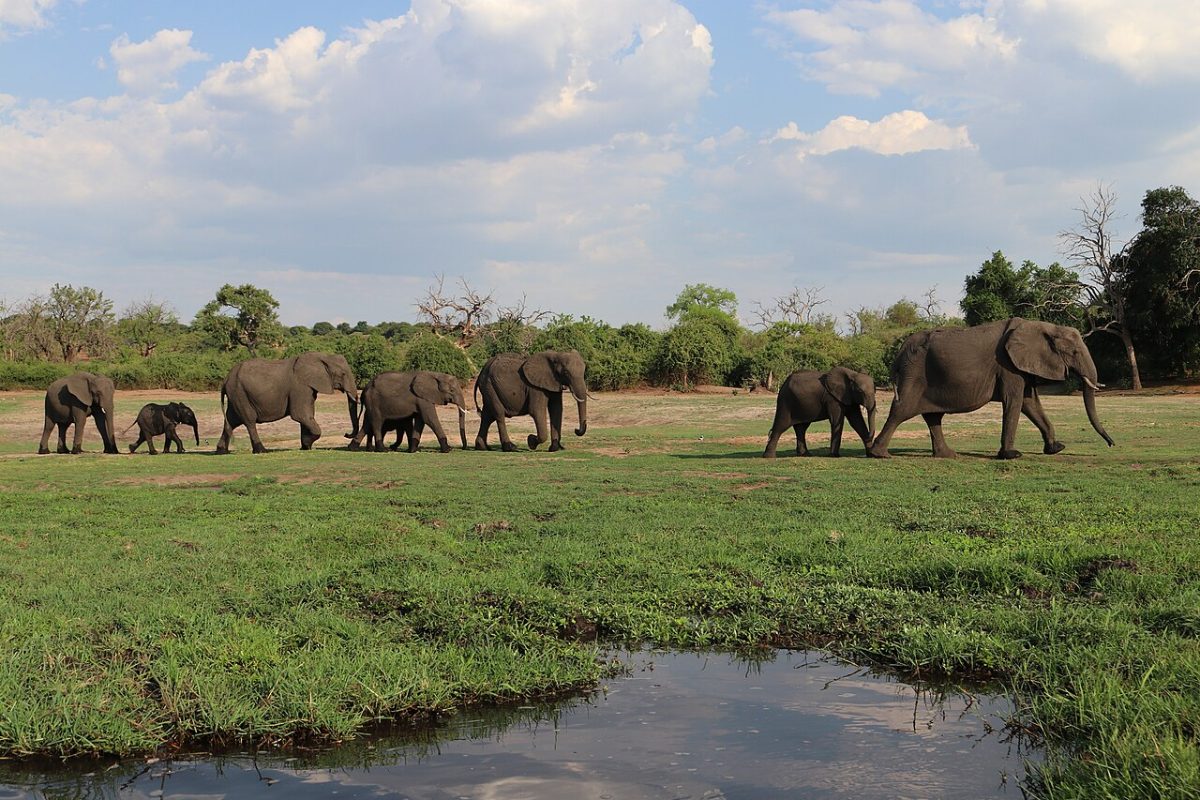
Northern Botswana park known for its large elephant herds, river cruises and floodplain wildlife.
Read more →Photo: AoneMokwena · CC BY-SA 4.0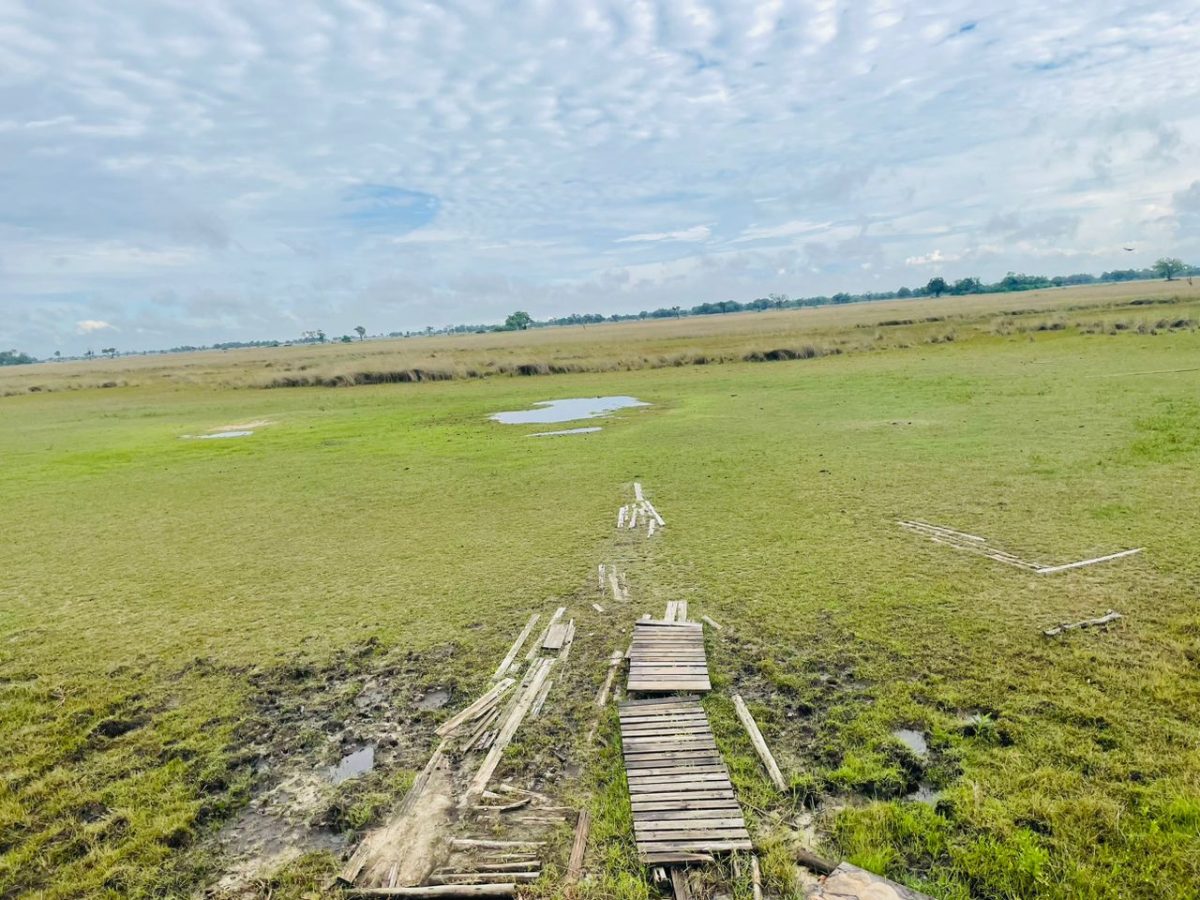
Protected area within the Okavango, combining waterways, floodplains, woodland and dry land.
Read more →Photo: Mothusi Sekhomba · CC BY-SA 4.0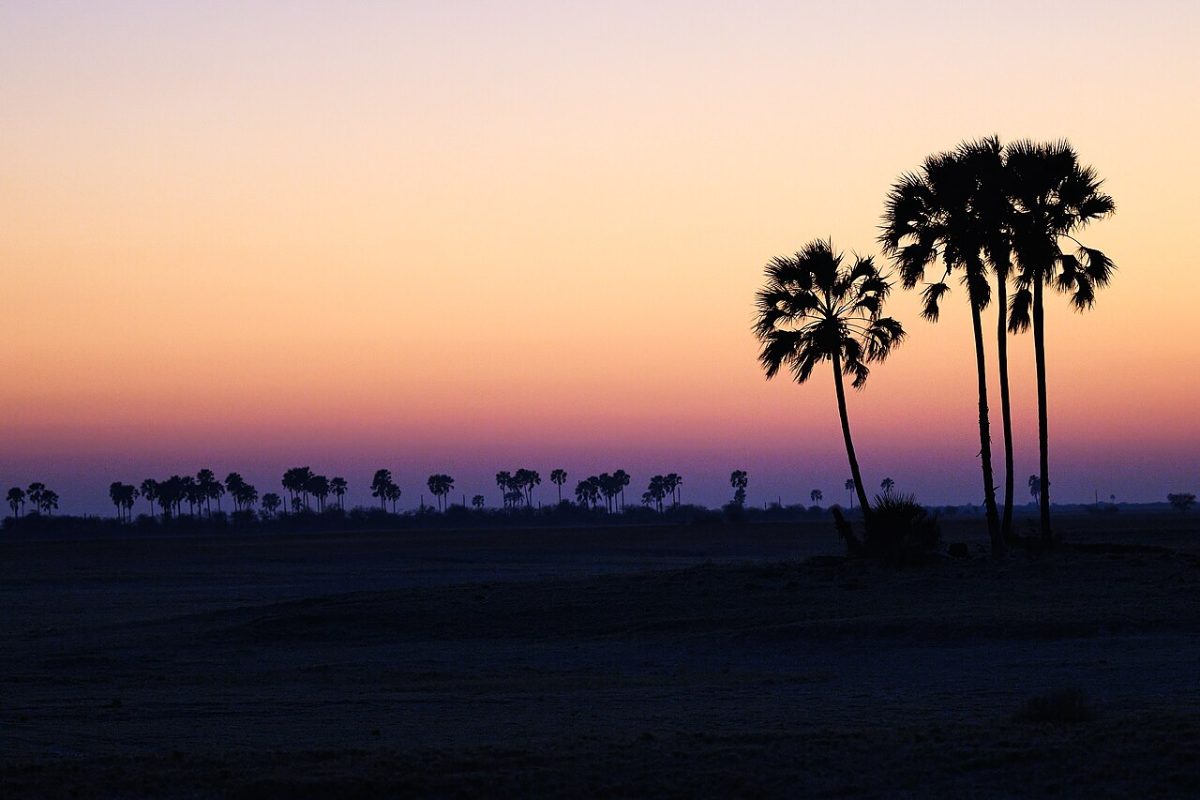
Vast salt pans and grasslands that change with the rains and draw zebra, wildebeest and flamingos.
Read more →Photo: Eric Kilby · CC BY-SA 4.0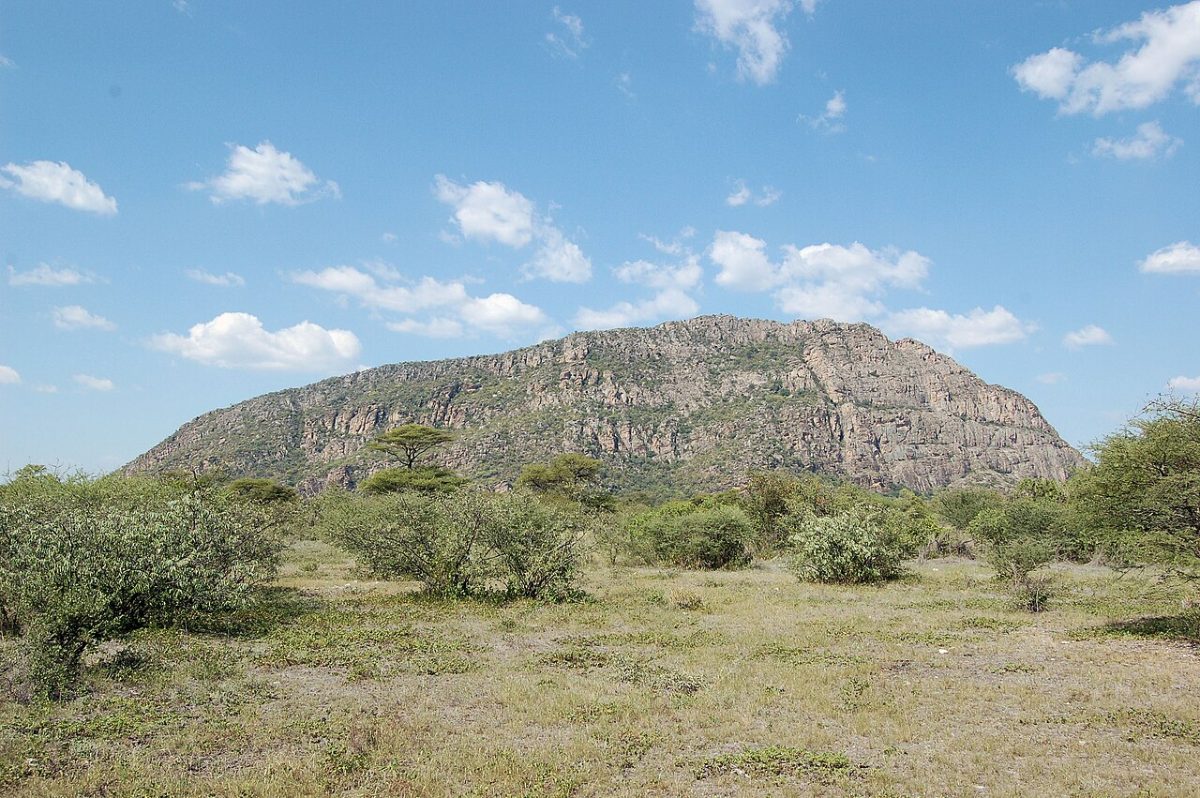
UNESCO World Heritage Site in northwestern Botswana, home to thousands of ancient rock paintings.
Read more →Photo: Joachim Huber · CC BY-SA 2.0Botswana Icon
A vast inland delta of waterways, islands, wetlands and drylands in northern Botswana.
The Okavango Delta is a UNESCO World Heritage Site and a major wilderness destination. Its waterways, lagoons, floodplains, islands and surrounding drylands support exceptional wildlife and birdlife.
Activities can include mokoro excursions, boating, game drives, walking experiences and birdwatching, depending on location and season.
Want to visit the Okavango Delta? Tell us your dates and group size.
Plan this tripNature & Wildlife
Botswana's tourism landscape includes national parks, game reserves and wildlife management areas.
A major northern wildlife destination famous for elephants, buffalo, river landscapes, birdlife and boat safaris.
A major wildlife area within the Okavango region, combining waterways, floodplains, woodland and dryland habitats.
A vast Kalahari wilderness with open landscapes, wildlife and a strong sense of remoteness.
Large salt-pan landscapes that can transform during rainy periods and attract wildlife and migratory birds.
A wildlife and wilderness area in eastern Botswana known for dramatic landscapes and safari experiences.
A transfrontier conservation area extending across Botswana and South Africa.
Northern Botswana
Chobe is one of Botswana's major wildlife destinations. The Chobe River provides an important water source for wildlife, while the surrounding park contains floodplains, woodland, pans and other habitats.
Elephant Viewing
River Cruises
Predators
Bird Safaris
Want to visit Chobe? Tell us your dates and group size.
Plan this tripPlaces to Explore
Wildlife areas, towns, cultural sites and landscapes to consider when planning your trip.
Botswana's famous inland delta and one of the country's most important wilderness destinations.
A major wildlife region centred around Chobe National Park and the Chobe River.
Botswana's capital and an important starting point for exploring the country.
A major gateway for travelers heading into the Okavango Delta and surrounding safari areas.
A northern gateway to Chobe and a useful base for regional travel around the Zambezi area.
Vast salt-pan landscapes surrounded by grasslands, wildlife areas and distinctive desert scenery.
A huge wilderness area offering remote landscapes and wildlife experiences.
An important cultural and heritage landscape in northwestern Botswana.
A significant historical and archaeological site connected with Botswana's past.
Kalahari Landscape
The Makgadikgadi landscape is one of Botswana's most distinctive environments. Large salt pans, grasslands, baobabs and seasonal water create changing landscapes throughout the year.
Vast open landscapes shaped by ancient lake systems.
Rainfall can transform the area and attract zebra, wildebeest and other wildlife.
Wet periods can attract large numbers of flamingos and other birds.
Culture
Botswana's tourism experience also includes communities, traditional knowledge, arts and heritage sites.
Discover indigenous crafts and contemporary artistic traditions in towns, villages and tourism areas.
Community-based experiences provide opportunities to learn about local traditions and ways of life.
Explore archaeological and cultural sites including Tsodilo Hills, Old Palapye and other heritage locations.
Seasonal Planning
Botswana offers different travel experiences during its wet and dry seasons.
Rain transforms landscapes into greener environments. Young animals, vegetation and migratory birds can make this an interesting period for wildlife and photography.
Water becomes concentrated around permanent rivers and other remaining water sources, which can influence wildlife viewing. The Okavango flood cycle is also an important seasonal factor.
Month by Month
Botswana has a dry season (roughly May to October), a green or rainy season (roughly November to March or April) and short transition periods between them. The Botswana Tourism Organisation describes January and February as the peak of the rains and gives April to October as the best months for weather and game viewing.
June to October. This is the dry season, and the Botswana Tourism Organisation gives April to October as the best period for weather and game viewing.
The flood water that reaches the Delta peaks during the dry months, roughly June to August, though the timing varies from year to year.
November to March, the green season. Expect lush scenery, migratory birds, fewer visitors and lower rates.
January to March, and parts of November, December and April, usually have lower camp rates than July to October.
| Month | Season | Typical high / low (°C) | What to expect | Visitors |
|---|---|---|---|---|
| January | Green | 32° / 22° | Hot and humid with afternoon thunderstorms. Migratory birds breeding, young animals growing fast. | Low |
| February | Green | 32° / 21° | Peak of the rains. Lush scenery, baby animals and excellent birding. Wildlife can be harder to spot in thick vegetation. | Low |
| March | Green | 32° / 20° | Greenery at its best as the rains ease. Good value for travellers who do not mind the heat. | Low |
| April | Transition | 31° / 17° | Roads and skies drying out. Antelope breeding season begins and nights start to cool. | Lower |
| May | Dry | 28° / 13° | Rains have ended and days are comfortable. Wildlife starts to gather around permanent water. | Rising |
| June | Dry | 26° / 10° | Cool, sunny days and cold nights. Shrinking waterholes make game easier to find. | High |
| July | Dry | 26° / 9° | Okavango Delta water levels suit boat and mokoro trips. Chobe and Moremi are in full swing. | Peak |
| August | Dry | 29° / 13° | Clear skies and excellent viewing on land and water. Usually the busiest month. | Peak |
| September | Dry | 33° / 17° | Hot and dry. Wildlife concentrates at the scarce water, so sightings are strong. | Peak |
| October | Dry | 34° / 21° | Very hot, with sparse vegetation and strong sightings. Plan activities for early morning and late afternoon. | Peak, easing |
| November | Green | 34° / 22° | First rains arrive. Migrant birds return and many young animals are born. | Shoulder |
| December | Green | 33° / 21° | Afternoon thunderstorms, blooming trees and newborn animals. Green-season rates at many camps. | Lower |
Temperatures are typical highs and lows for Maun, the gateway to the Okavango Delta. Elsewhere it varies: summer shade temperatures can reach 38°C and higher, and winter nights can fall below freezing in the southwest. Rainfall and the timing of the Okavango flood change from year to year, so confirm conditions with your operator before booking. Sources: Botswana Tourism Organisation (botswanatourism.co.bw/climate), Wilderness and Audley Travel seasonal guides.
Important Travel Information
Travelers should verify current entry requirements, health recommendations, road conditions, wildlife safety rules and local travel information before departure.
OSARE provides travel information but does not replace official government or professional travel advice.
Official Information
Botswana Tourism Organisation provides official tourism information covering destinations, parks, reserves, accommodation and travel information. Botswana's government provides official immigration and visa information.
Official national tourism organisation providing information about destinations, parks, reserves, accommodation and tourism activities.
Visit official website →Official government information, including immigration and tourism visa services.
Visit official website →Useful Contacts
Use official sources for current requirements and travel information.
Official tourism information and destination resources.
Visit official website →Official information concerning parks, wildlife and conservation.
Tell us where you want to go, your dates, group size and budget. We will reply with options and put you in touch with an operator. There is no charge for asking.
Primary tourism source: Botswana Tourism Organisation
Government source: Government of Botswana
Visa information: Verify current requirements with Botswana immigration before travel.
Last reviewed: September 2026